Table Of Content
This hair loss treatment promotes natural hair growth by rejuvenating hair follicles and encouraging healthy, new hair growth. Understanding how PRP therapy works to fight hair loss is essential in knowing why patients experience shock hair loss after their treatment. PRP Therapy (Platelet Rich Plasma Therapy) has become a standard nonsurgical Hair Restoration Procedure that has proven to be effective for certain types of hair loss in men and women. PRP is a part of our whole blood and is the part that contains important growth factors responsible for healing.
Reasons Why You Lose Hair After PRP Hair Treatment
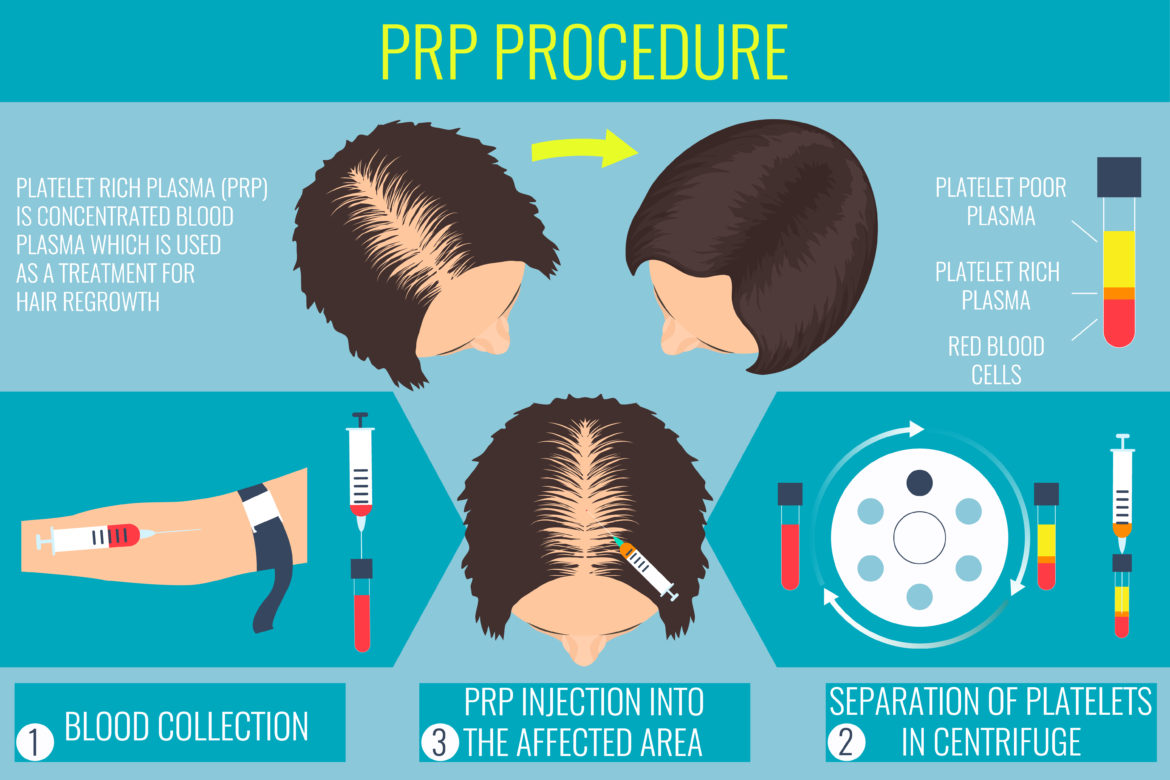
This machine spins at a rapid rate, which separates the components of the blood. When considering platelet rich plasma therapy, choose a surgeon with significant experience performing the procedure. Friends, family members or an internist or primary care doctor are often helpful in suggesting the best surgeon. It can also be injected into aging skin, or it can be applied to the skin at the time of microneedling. The platelet-rich plasma is drawn up into a syringe and then injected into areas of the scalp that need increased hair growth.
What can someone expect from the results of PRP injections for hair loss?
They also contain a wide variety of growth factors, which improve healing and stimulate hair growth. According to a 2022 review, there isn’t a consensus on the frequency and duration of PRP therapy for hair loss. For example, the studies in the review found benefits for hair growth with PRP treatment ranging from 4 injections every 15 days for 3 months to 3 monthly injections for 6 months. The results of PRP injections for hair loss will not be noticeable after the treatment, but develop over time with regular treatments. A PRP injections for hair loss treatment may last for months up to a year, and maintenance will be dependent on the individual candidate but is usually every eight months.
Patient Care >
For best results, PRP should be utilized along with minoxidil and finasteride. PRP therapy is a treatment for hair loss that may help promote and maintain hair growth. Our skilled clinicians are highly trained in the assessment, diagnosis, and treatment of hair loss. If you’re experiencing pattern baldness, alopecia areata, or a different type of hair loss, Wimpole Clinic can help.
Patient 11
PRP injections are rich in proteins called growth factors, which may stimulate dormant hair follicles when injected into the scalp, encouraging hair regeneration. Research into PRP as a standalone treatment for hair loss mainly focuses on androgenetic alopecia and alopecia areata. Androgenetic alopecia is male or female pattern baldness, and alopecia areata is an autoimmune condition in which your immune system attacks your hair follicles and causes hair loss. How PRP hair treatment works is also related to why patients experience shedding. Platelet-rich plasma therapy is a form of regenerative medicine that speeds up the body’s healing process by injecting growth factors in targeted areas. This has been an effective treatment, not only for hair loss but also for different medical conditions and rehabilitation therapies.
What You Need to Know About PRP Injections for Hair Loss
You can also have a listen to my Beauty IQ podcast episode where I share my experience with female hair loss. So, to say I was ‘nervous’ about a treatment involving not only needles but blood was a big understatement.But after navigating hair loss for a few years, I was willing to give anything a go. It involves scalp injections of a liquid called ‘plasma’, which is derived from a sample of your own blood. If someone had told me 1.5 years ago that I would be trying a PRP hair treatment that involved injecting needles into my scalp every month for 10 months, I would have said...
Talk to your provider before starting PRP therapy to discuss the total cost of treatment and ask about any potential financing options or payment plans they may offer. PRP therapy should only be performed by a board-certified dermatologist or plastic surgeon with the training and expertise to perform the procedure safely. This article discusses what to expect during PRP for hair loss, possible results, side effects, and how much it costs.
How PRP Therapy Works
How To Make Your Hair Grow Faster: Tips for Healthy Growth - Healthline
How To Make Your Hair Grow Faster: Tips for Healthy Growth.
Posted: Thu, 18 Jun 2020 20:40:40 GMT [source]
If you’re considering this treatment, my biggest advice would be to schedule a consultation. These don't necessarily 'treat' my condition but they allow me to create an optimal environment for hair to grow. In addition to my medication, there are several things I use at home to help encourage a healthy scalp and healthy hair. If you’re nearing that time of the month, my advice to you is to reschedule until after your period.
Nasal injections could treat long-term COVID-19-related smell loss - Stanford Medical Center Report
Nasal injections could treat long-term COVID-19-related smell loss.
Posted: Mon, 09 Jan 2023 08:00:00 GMT [source]
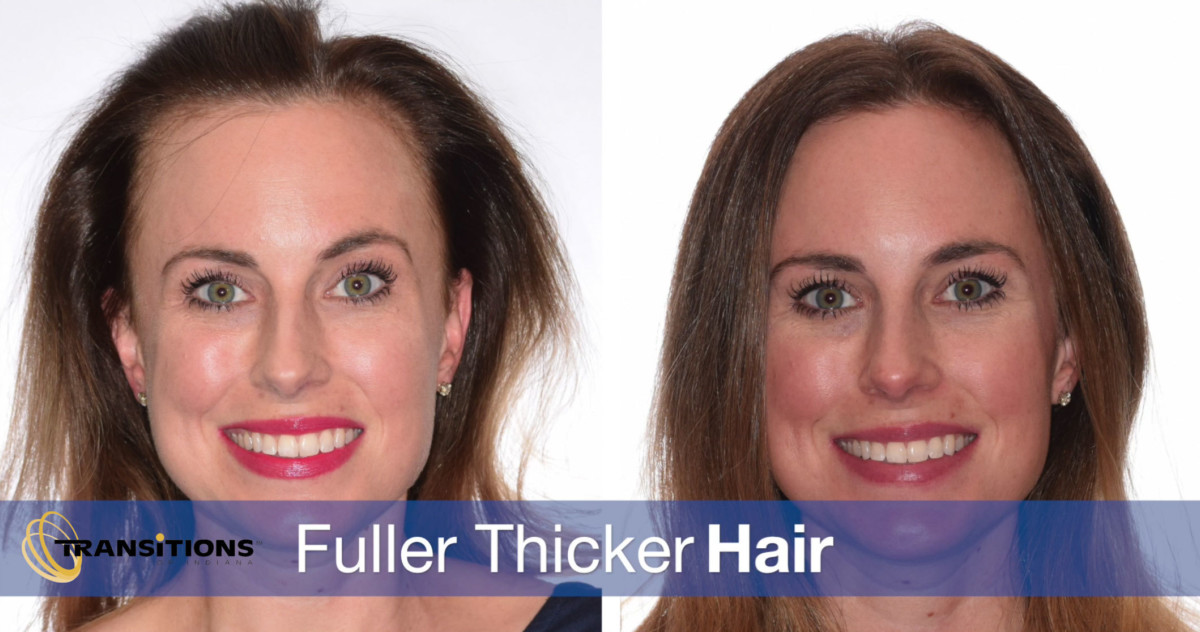
However, it’s also important to remember that hair shedding shouldn’t be used as a measurement of how successful a hair loss treatment is. It’s still important to see your provider or dermatologist who will monitor the treatment’s progress. The entire procedure starts with the experts doing a blood draw on the patient. They will then process the blood sample in a centrifuge where the blood platelets and the plasma will be separated from other blood cells. Patient presented with diffuse thinning and Dr. Wise recommended stem cell therapies to increase density and thickness while preventing hairloss. This patient had a series of PRP treatments and most recently had 1 session of Exosomes stem cell therapy.
Results can be seen within as little as 3-months, a minimum of 3 annual treatments is recommended for best results. When combined with NeoGraft, the PRP is usually injected 2-3 weeks prior to the procedure, and then again a few months after the hair transplant. Exact time frame will be determined by our medical director Dr. Monte Slater and varies from patient to patient. Platelet-rich plasma (PRP) therapy for hair loss is a minimally invasive treatment that uses a person’s own blood to promote hair growth.
Results vary from person to person, but some may see results after as few as three PRP sessions, while others may require more sessions before noticing results. Factors such as age, overall health, and the underlying cause of hair loss can influence the timeline for regrowth. Some of the best candidates are also those patients who are in the early stages of hair loss.
To maintain optimal hair health she will continue receiving booster treatments every 6 months. PRP contains a range of growth factors and proteins that speed tissue repair. As some types of hair loss result from damage to hair follicles, researchers initially hypothesized that PRP could help regrow hair by reversing the process that occurs in androgenetic alopecia.




No comments:
Post a Comment